
Founding Kings & Rsis of
the Vedic Civilization
14,500 BCE – 12,050 BCE
Surya, Chandra, & Agni Vamsa
As Paramaśiva Himself has revealed, from Him originated the “playful abodes” of Sun, Moon,and Fire or Sūrya, Chandra, and Vahni (Agni).In the Hindu texts, these abodes are referred as “kingdoms,” “dynasties,” or “lineages” based on the context of the text, whether they are purānical, political, social, or spiritual. Essentially, these three are origins of human beings, specifically, the Sūrya Vaṁśa, Chandra Vaṁśa, and Agni Vaṁśa. From each of these three, kingdoms emerged that would guide the course of history, as the Hindu Civilization flourished. It is accepted unanimously that the origin of all three is one source. That is Paramaśiva.
Vedic Rsis
The founding ṛṣis of Vedic civilization are historic scientists who pioneered research and development of the inner sciences. All the ṛṣis are descendants of Brahma, who is the source for the name “Brāhmaṇa.” The Saptaṛṣis, or the renowned 7 ṛṣis, are the most prolific ṛṣis of history who listened to the secrets of enlightenment from Paramaśiva Himself as He revealed it to Devi Paraśakti. Through their lives, they have mastered the inner sciences and made it available to humanity through the Hindu scriptures, which are today perhaps the most untapped resource to solve the world’s problems.
Manasaputras of Brahma 14,500 BCE
In the Ṛg Veda, there are more than 160 ṛṣis named as the authors but the earliest ṛṣis are the mānasaputras of Brahma, the sons of Brahma. They are Bhrigu, Aṅgirasa, Atri, Marīchi, Vasiṣṭha, Pulastya and Pulaha. Other sons of Brahma are also named who compiled other scriptures like Sanaka ṛṣi. Swayambhava Manu was also a son of Brahma who became a Kśatriya, and ruled the kingdom.
The following timeline summarizes the founding kings and ṛṣis of the Vedic civilization, the ecosystems and the people who upheld the science of enlightenment for thousands of years.
Kingdom of Brahmāvarta 14,500 BCE
Having received the Vedāgamas from Paramaśiva, Brahma used it to found the Kingdom of Brahmāvarta in around 14,500 BCE. In this kingdom, Swayambhava Manu became king and his sons were the descendants of the Manu dynasty. The kingdom flourished in the region between the Sarasvati and Driṣadvati Rivers. The date of this kingdom was calculated from when Summer Solstice occurs in Dhaniṣṭhā Nakshatra, which is around 15,000 BCE to 14,500 BCE. Following this, the entire “Vedic” history commenced.
It has been mapped with the available evidence that historians have been able to gather and logically conceive, however only The Avatār can give a clear picture of our history and help us truly understand the grand narrative of Hindu history.
Bharata Sāmrājya 14,275 BCE
The legendary dynasty of King Bharata began with his birth in 14,275 BCE. The city which became known for the Kingdom of Bharata was founded much earlier with the great King Nabhi, descendant of the Manu Dynasty. Bharata dynasty then flourished as one of the longest living and strongest empires of the entire Vedic civilization, even becoming the source for the glorious name “Bharat”.
Kingdom of Rakkasapura
14,275 BCE
Rakkasapura is one of th e earliest kingdoms of present day Burma, which was founded by King Bahubali, the younger brother of King Bharata.
Kingdom of Ayodhya
14,000 BCE
The great kingdom of Ayodhya was founded by the King Manu and his queen Ida in 14,000 BCE. One of the earliest notable kings that ruled Ayodhya was King Trisanku.
Yadu Sāmrājya
13,850 BCE
King Yadu I was the progenitor of the Yadava dynasty, the lineage that eventually branched to the most perfect incarnation of Viṣṇu, Bhagavān Śri Kṛṣṇa.
Yaudheya Sāmrājya
13,570 BCE
The Yaudheya dynasty was founded by the great King Uśīnara. This dynasty was referred in the Mahābhārata, indicating that it survived until then.
Kingdom of Vaiśālī
13,850 BCE
Founded by King Vaiśālī in
modern-day Burma
Paurava Sāmrājya
13,950 BCE
King Puru, the grandson of Soma, is a progenitor of the lineages that stemmed from the Chandra Vaṁśa. His descendants were founders of the Yadva dynasty, Kuru dynasty and even the clans that traveled West toward Turkey and Greece.
Druhyu Dynasty
13,850 BCE
Founded by King Druhyu in the Chandra Vamsa.
Turvaśa Lineage
13,850 BCE
Founded by King Turvaśa
Kingdom of Kampilya
13,550 BCE
King Brahmadatta was the first known king of the ancient kingdom of Kampilya.
Kingdom of Girivraja
13,550 BCE
King Vasu, son of Kusa of the Puru Dynasty
Kingdom of Dharmaranya
13,550 BCE
Brother of King Kusamba, King Asūrtarajasa founded the kingdom of Dharmaranya.
Kingdom of Kanyakbuja
13,550 BCE
Kanyakbuja was one of the earliest kingdoms of Vedic history. The other names of this kingdom are Mahodayapuri and Gadhipuri. It is the birthplace of BrahmaṚsi Visvamitra, who was the son of King Gadhi.
Sauvira Dynasty
13,500 BCE
King Suvira, grandson of King Uśīnara and son of Śivi I. This clan is also known as Śaibyas, and are referred in the Mahābhārata.
Kingdom of Gaya
13,500 BCE
King Gaya, who was the son of Amūrtarāyasa
Kekaya Janapada
13,500 BCE
The Kekaya Kingdom was founded by the King Kekaya, the brother of King Suvira and son of Śivi I.
Madra Janapada
13,500 BCE
Founded by King Madraka. This was one of the largest dynasties that would be referred continuously throughout spiritual literature of Hinduism.
Kingdom of Kausambi
13,500 BCE
King Kusamba of the Puru dynasty, founded the kingdom of Kausambi.
Ṛṣi Vasiṣṭha II
13,500 BCE
From 14,500 to 4,000 BCE, there is a continuous lineage of ṛṣis who were in the line (gotra) of Vasiṣṭha. The first was the son of Brahma, who was one of the saptaṛṣi. Vasiṣṭha II was an incredible contemporary of Viṣvamitra I who made immense contributions to the extant of Vedic scripture and knowledge, including, the 7th Mandala of Ṛg Veda and his Vasiṣṭha Siddhanta.
Anga, Vanga, Kalinga, Pundra, Suhma Kingdoms
13,400 BCE
Ancient kingdoms founded by the King Bali’s 5 sons Anga, Vanga, Kalinga, Pundra and Suhma.
Rṣi Viṣvamitra
13,500 BCE
Son of King Gadhi, who renounced the throne and took up a life of spiritual austerity, Ṛṣi Viṣvamitra was an incredibly intelligent seer of his time, an astronomer who deciphered the ways of the stars and changed the course of history with the introduction of his astronomical interpretations. The SPH has revealed that Ṛṣi Viṣvamitra understood the science of manifesting reality with the God Particle, which is what he did for the King Trisanku of Ayodhya. Though he was a Kshatriya by birth, Ṛṣi Viṣvamitra is revered as a Brahmana, and was the source of Gayatri Mantra which is chanted by all Brahmanas
Jammu-Kashmira Kingdom
13,400 BCE
The Jammu-Kashmira region was inhabited by the Hindu civilization from 13,400 BCE, with the kings of the Madra Janapada from 13,400 BCE – 11,500 BCE, Naga Kings from 11,250 – 5100 BCE and an unbroken lineage of Ikśvāku kings from 5100 BCE until the Mahābhārata. Even after the Mahābhārata as well, Kashmira, was continuously referred in historical texts as a Hindu kingdom though its regents were changing with the rise and fall of several empires.
Pāñchāla Sāmrājya
11,560 BCE
Pāñchāla Sāmrājya is another extremely important reign of Hindu history, dating back to King Ajamidha II in 11560 BCE. The Pāñchāla Sāmrājya also had notable branches who ruled over regions of the great land of Akhanda Bharat for a substantial period in history such as the Kuru-Pāñchāla lineage and the Srinjaya Pāñchāla lineage. Srinjaya Pāñchāla was also described in the Mahābhārata as a powerful dynasty, ruled at that point by the King Drupada, who was the father of the princess Draupadi, the wife of the Pandavas- the illustrious princes of the Kuru dyansty. Pāñchāla Sāmrājya boasts of being one of the largest empires of the post-Vedic period, until the rise of the Maurya and Gupta period.
Vṛṣṇi Lineage
11,510 BCE
Originating with King Vṛṣṇi, the Vṛṣṇi lineage gave birth to Vasudeva and Bhagavān Śri Kṛṣṇa.
Andhaka Lineage
11,500 BCE
Andhaka lineage of the Yadava clan gave birth to Devaki, the mother of Śri Kṛṣṇa. The founder was King Andhaka.
Chedi Dynasty
12,050 BCE
Chedi Dynasty is one of the largest and oldest dynasties that originated from the descendants of the Puru Dynasty. It was referred as a large dynasty during the Mahābhārata in 3162 BCE, but it originated from King Chedi in 12,050 BCE.
Kuru Dynasty
11,500 BCE
The Kuru dynasty is an ancient royal lineage that generated the kings who ruled during the Mahābhārata, one of the most pivotal events of history. The dynasty dated back much before the Mahābhārata. After the war, when so many great kings and leaders were lost, the grand nephew of Kṛṣṇa, King Parikshit ascended the throne and carried the dynasty forward.
Tritsu Bharata
11,400 BCE
One of the most well known branches of the Bharata dynasty was the Tritsu lineage that was a warrior tribe referred in the Ṛg Veda. The lineage was founded by King Devavata of the Bharata line.
Kolla Sāmrājya
11,400 BCE
Another brother of King Pāndya was Kolla, who founded the Kolla dynasty that ruled Northern Kerala. This dynasty was referred in the Mahābhārata, indicating that it survived at least until 3000 BCE.
Pāndya Sāmrājya
11,400 BCE
King Pāndya was the progenitor of the Pāndya dyanasty, with the earliest references in the Vayu Purāṇa (Ref: Vedveer Arya, “Chronology of India”, Pg. 381). King Pāndya was the most senior brother of four. The other three were Chola, Chera and Kolla. They each founded some of the oldest civilizations that are still living today through their people. References of their origin currently date back before the Vaivasvata Manvantara (the age of Vaivasvata Manu), during which time it is likely their capitals and people needed to migrate. Most importantly, the Pāndya civilization is remembered for the reign of the incarnation Queen Mīnākśi, who would revolutionize the standard of living for all humanity. Other famous kings and queens of the Pāndya Civilization are Goon Pāndyian and Mangayakarasi, who were guided by the incarnation Thirujñana Sambandar.
Chola Sāmrājya
11,400 BCE
Chola Sāmrājya emerged from King Chola, who was the younger brother of the King Pāndya. One generation after King Chola was King Kantaman. The King Kantaman was the contemporary of Ṛṣi Agasthya, who prayed for the release of the Kaveri River. This is the historical source of the river that has irrigated the valleys of South India, and nourished the Chola kingdom for thousands of years.
Subsequently, Chola Sāmrājya ruled over significant parts of South India. While existing for a very long time, Chola’s influence in Hindu culture is most powerful in the last 3,000 years, during which time Thirujñana Sambandar and the Tamil Nayanars had lived.
The Chola Sāmrājya also brought to the world Kings Raja-raja Cholan I, II and III who built the largest Śaivite temples such as the Brihadeeshwara Temple in Thanjavur and Angor Wat Temple in Cambodia.
Chera Sāmrājya
11,400 BCE
Chera Sāmrājya, settled in Tamil Nadu in around 11,400 BCE and declined gradually around 12th century BCE. King Chera was the brother of King Pāndya also.
Kingdom of Bhojanagara
11,325 BCE
King Uśīnara II founded the kingdom of Bhojanagara in modern day Jodhpur, which was one capital of his dynasty.
Vatsa Bharata
11,275 BCE
The Vatsa branch of the Bharata Sāmrājyam emerged with King Vatsabhumi. This was one of the long lasting branches of Bharata dynasty who ruled the Kashi kingdom, and left Kashi when they were overtaken.
The Prehistoric Deluge
Around 11,275 BCE
When the roots of Sanātana Hindu Dharma, its dynasties, and scriptural junctions were formed, the civilization would indeed go through tests of infinite measure to stay alive in a rapidly changing world. Frequent flooding and volcanic eruptions were again and again molding the Earth and its inhabitants. One such deluge happened at the dawn of the epoch we are living in now – an event that has clearly been recorded in the Hindu puranas not only as an Earthly inundation but a cosmic deluge of other dimensions, known as pralaya.
Kingdom of Rakkasapura
14,275 BCE
Rakkasapura is one of th e earliest kingdoms of present day Burma, which was founded by King Bahubali, the younger brother of King Bharata.
Kingdom of Ayodhya
14,000 BCE
The great kingdom of Ayodhya was founded by the King Manu and his queen Ida in 14,000 BCE. One of the earliest notable kings that ruled Ayodhya was King Trisanku.
Yadu Sāmrājya
13,850 BCE
King Yadu I was the progenitor of the Yadava dynasty, the lineage that eventually branched to the most perfect incarnation of Viṣṇu, Bhagavān Śri Kṛṣṇa.
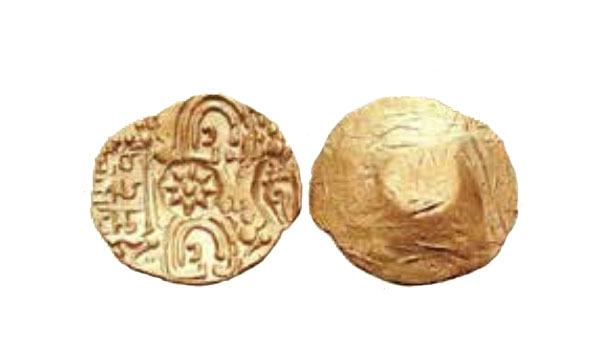
Yadava Dynasty Coins
Yaudheya Sāmrājya
13,570 BCE
The Yaudheya dynasty was founded by the great King Uśīnara. This dynasty was referred in the Mahābhārata, indicating that it survived until then.
Kingdom of Vaisali
13,850 BCE
Founded by King Vaiśālī in
modern-day Burma
Paurava Sāmrājya
13,950 BCE
King Puru, the grandson of Soma, is a progenitor of the lineages that stemmed from the Chandra Vaṁśa. His descendants were founders of the Yadva dynasty, Kuru dynasty and even the clans that traveled West toward Turkey and Greece.
Druhyu Dynasty
13,850 BCE
Founded by King Druhyu in the Chandra Vamsa.
Turvaśa Lineage
13,850 BCE
Founded by King Turvaśa
Kingdom of Kampilya
13,550 BCE
King Brahmadatta was the first known king of the ancient kingdom of Kampilya.
Kingdom of Girivraja
13,550 BCE
King Vasu, son of Kusa of the Puru Dynasty
Kingdom of Dharmaranya
13,550 BCE
Brother of King Kusamba, King Asūrtarajasa founded the kingdom of Dharmaranya.
Kingdom of Kanyakbuja
13,550 BCE
Kanyakbuja was one of the earliest kingdoms of Vedic history. The other names of this kingdom are Mahodayapuri and Gadhipuri. It is the birthplace of BrahmaṚsi Visvamitra, who was the son of King Gadhi.
Sauvira Dynasty
13,500 BCE
King Suvira, grandson of King Uśīnara and son of Śivi I. This clan is also known as Śaibyas, and are referred in the Mahābhārata.
Kingdom of Gaya
13,500 BCE
King Gaya, who was the son of Amūrtarāyasa
Kekaya Janapada
13,500 BCE
The Kekaya Kingdom was founded by the King Kekaya, the brother of King Suvira and son of Śivi I.
Madra Janapada
13,500 BCE
Founded by King Madraka. This was one of the largest dynasties that would be referred continuously throughout spiritual literature of Hinduism.
Kingdom of Kausambi
13,500 BCE
King Kusamba of the Puru dynasty, founded the kingdom of Kausambi.
Ṛṣi Vasiṣṭha II
13,500 BCE
From 14,500 to 4,000 BCE, there is a continuous lineage of ṛṣis who were in the line (gotra) of Vasiṣṭha. The first was the son of Brahma, who was one of the saptaṛṣi. Vasiṣṭha II was an incredible contemporary of Viṣvamitra I who made immense contributions to the extant of Vedic scripture and knowledge, including, the 7th Mandala of Ṛg Veda and his Vasiṣṭha Siddhanta.
Anga, Vanga, Kalinga, Pundra, Suhma Kingdoms
13,400 BCE
Ancient kingdoms founded by the King Bali’s 5 sons Anga, Vanga, Kalinga, Pundra and Suhma.
Rṣi Viṣvamitra
13,500 BCE
Son of King Gadhi, who renounced the throne and took up a life of spiritual austerity, Ṛṣi Viṣvamitra was an incredibly intelligent seer of his time, an astronomer who deciphered the ways of the stars and changed the course of history with the introduction of his astronomical interpretations. The SPH has revealed that Ṛṣi Viṣvamitra understood the science of manifesting reality with the God Particle, which is what he did for the King Trisanku of Ayodhya. Though he was a Kshatriya by birth, Ṛṣi Viṣvamitra is revered as a Brahmana, and was the source of Gayatri Mantra which is chanted by all Brahmanas
Jammu-Kashmira Kingdom
13,400 BCE
The Jammu-Kashmira region was inhabited by the Hindu civilization from 13,400 BCE, with the kings of the Madra Janapada from 13,400 BCE – 11,500 BCE, Naga Kings from 11,250 – 5100 BCE and an unbroken lineage of Ikśvāku kings from 5100 BCE until the Mahābhārata. Even after the Mahābhārata as well, Kashmira, was continuously referred in historical texts as a Hindu kingdom though its regents were changing with the rise and fall of several empires.
Panchala Samrajya
11,560 BCE
Pāñchāla Sāmrājya is another extremely important reign of Hindu history, dating back to King Ajamidha II in 11560 BCE. The Pāñchāla Sāmrājya also had notable branches who ruled over regions of the great land of Akhanda Bharat for a substantial period in history such as
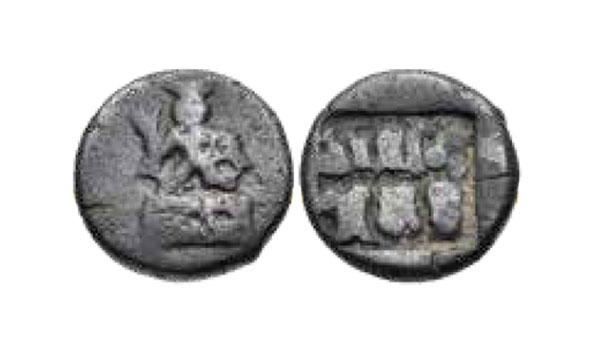
Panchala Dynasty Coins
the Kuru-Pāñchāla lineage and the Srinjaya Pāñchāla lineage. Srinjaya Pāñchāla was also described in the Mahābhārata as a powerful dynasty, ruled at that point by the King Drupada, who was the father of the princess Draupadi, the wife of the Pandavas- the illustrious princes of the Kuru dyansty. Pāñchāla Sāmrājya boasts of being one of the largest empires of the post-Vedic period, until the rise of the Maurya and Gupta period.
Vrsni Lineage
11,510 BCE
Originating with King Vṛṣṇi, the Vṛṣṇi lineage gave birth to Vasudeva and Bhagavān Śri Kṛṣṇa.
Andhaka Lineage
11,500 BCE
Andhaka lineage of the Yadava clan gave birth to Devaki, the mother of Śri Kṛṣṇa. The founder was King Andhaka.
Chedi Dynasty
12,050 BCE
Chedi Dynasty is one of the largest and oldest dynasties that originated from the descendants of the Puru Dynasty. It was referred as a large dynasty during the Mahābhārata in 3162 BCE, but it originated from King Chedi in 12,050 BCE.
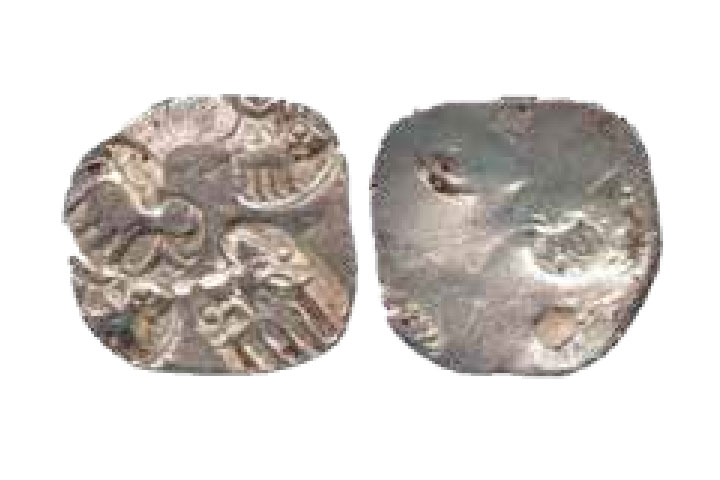
Chedi Dynasty
Kuru Dynasty
11,500 BCE
The Kuru dynasty is an ancient royal lineage that generated the kings who ruled during the Mahābhārata, one of the most pivotal events of history. The dynasty dated back much before the Mahābhārata. After the war, when so many great kings and leaders were lost, the grand nephew of Kṛṣṇa, King Parikshit ascended the throne and carried the dynasty forward.
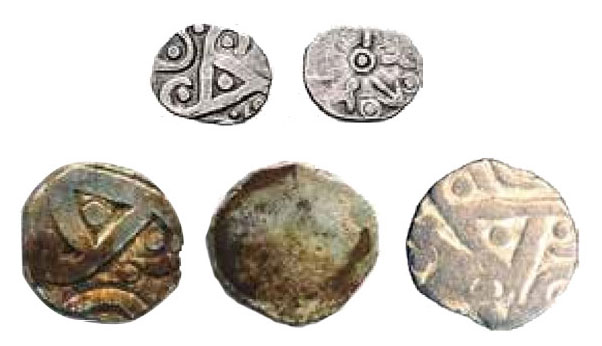
Kuru Dynasty
Tritsu Bharata
11,400 BCE
One of the most well known branches of the Bharata dynasty was the Tritsu lineage that was a warrior tribe referred in the Ṛg Veda. The lineage was founded by King Devavata of the Bharata line.
Kolla Sāmrājya
11,400 BCE
Another brother of King Pāndya was Kolla, who founded the Kolla dynasty that ruled Northern Kerala. This dynasty was referred in the Mahābhārata, indicating that it survived at least until 3000 BCE.
Pandya Samrajya
11,400 BCE
King Pāndya was the progenitor of the Pāndya dyanasty, with the earliest references in the Vayu Purāṇa (Ref: Vedveer Arya, “Chronology of India”, Pg. 381). King Pāndya was the most senior brother of four. The other three were Chola, Chera and Kolla. They each founded some of the oldest civilizations that are still living today through their people.

Pandya Dynasty Flag
References of their origin currently date back before the Vaivasvata Manvantara (the age of Vaivasvata Manu), during which time it is likely their capitals and people needed to migrate. Most importantly, the Pāndya civilization is remembered for the reign of the incarnation Queen Mīnākśi, who would revolutionize the standard of living for all humanity. Other famous kings and queens of the Pāndya Civilization are Goon Pāndyian and Mangayakarasi, who were guided by the incarnation Thirujñana Sambandar.
Chola Sāmrājya
11,400 BCE
Chola Sāmrājya emerged from King Chola, who was the younger brother of the King Pāndya. One generation after King Chola was King Kantaman. The King Kantaman was the contemporary of Ṛṣi Agasthya, who prayed for the release of the Kaveri River. This is the historical source of the river that has irrigated the valleys of South India, and nourished the Chola kingdom for thousands of years.
Subsequently, Chola Sāmrājya ruled over significant parts of South India. While existing for a very long time, Chola’s influence in Hindu culture is most powerful in the last 3,000 years, during which time Thirujñana Sambandar and the Tamil Nayanars had lived.
The Chola Sāmrājya also brought to the world Kings Raja-raja Cholan I, II and III who built the largest Śaivite temples such as the Brihadeeshwara Temple in Thanjavur and Angor Wat Temple in Cambodia.
Brihadeeshwar Temple 11,400 BCE
Brihadeeshwar Temple, an impressive architectural wonder and abode for Paramaśiva, constructed by the Chola kings much later in around 282 CE. The origin of the Chola Dynasty was 11,400 BCE.
Chera Sāmrājya
11,400 BCE
Chera Sāmrājya, settled in Tamil Nadu in around 11,400 BCE and declined gradually around 12th century BCE. King Chera was the brother of King Pāndya also.
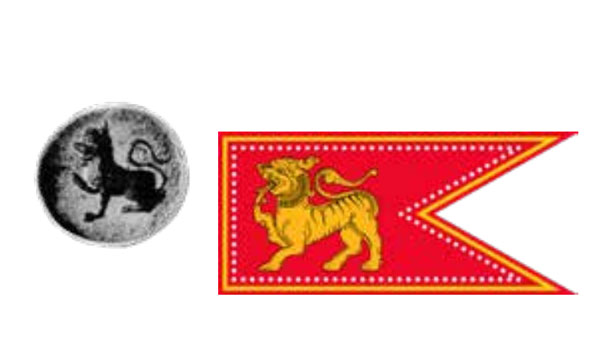
Chera Dynasty Flag
Kingdom of Bhojanagara
11,325 BCE
King Uśīnara II founded the kingdom of Bhojanagara in modern day Jodhpur, which was one capital of his dynasty.
Vatsa Bharata
11,275 BCE
The Vatsa branch of the Bharata Sāmrājyam emerged with King Vatsabhumi. This was one of the long lasting branches of Bharata dynasty who ruled the Kashi kingdom, and left Kashi when they were overtaken.
The Prehistoric Deluge
Around 11,275 BCE
When the roots of Sanātana Hindu Dharma, its dynasties, and scriptural junctions were formed, the civilization would indeed go through tests of infinite measure to stay alive in a rapidly changing world. Frequent flooding and volcanic eruptions were again and again molding the Earth and its inhabitants. One such deluge happened at the dawn of the epoch we are living in now – an event that has clearly been recorded in the Hindu puranas not only as an Earthly inundation but a cosmic deluge of other dimensions, known as pralaya.